
In a world saturated with high-tech health trackers and trendy wellness hacks, it’s easy to overlook the simple, time-tested habits that form the foundation of good health. These aren’t fancy tips requiring special equipment or expensive supplements, they’re common-sense actions our parents and grandparents probably reminded us of.
If you’re looking to build a strong baseline for your health and hygiene, start with these 10 simple but powerful habits:
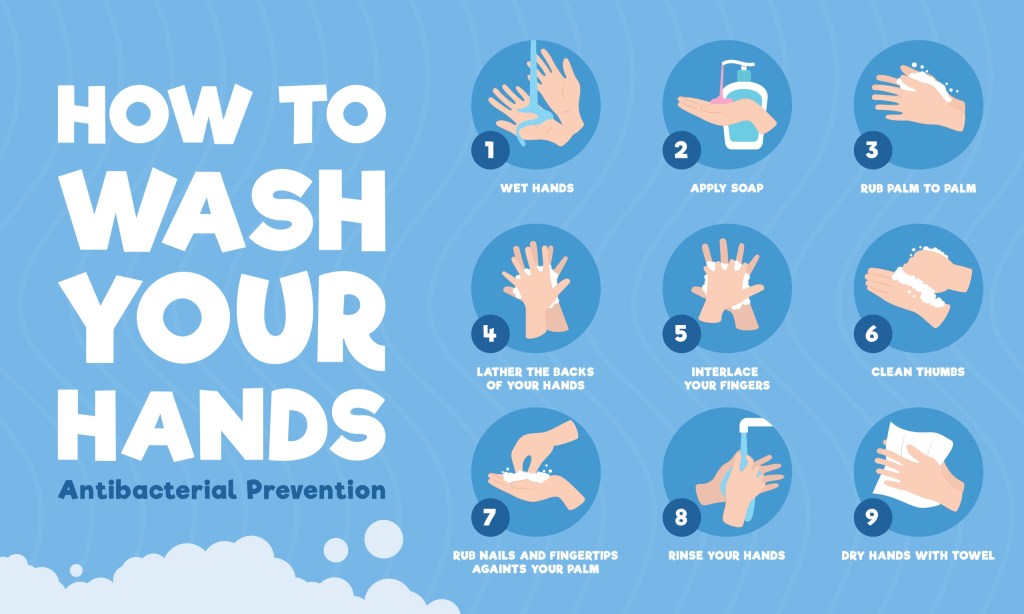
1. Wash Your Hands Before Eating
This might be the oldest rule in the book, and for good reason. Your hands touch doorknobs, phones, keyboards, and countless other germ filled surfaces throughout the day. Washing them before eating helps prevent bacteria and viruses from making their way into your mouth and body. It’s a basic step that can prevent foodborne illness, colds, flu, and more serious infections.
2. Don’t Drink Untreated Water
Clean water is a cornerstone of public health. Drinking untreated or unfiltered water, especially from natural sources like rivers, lakes, or old wells can expose you to harmful bacteria, parasites, and chemicals. Always make sure your water is safe, whether through a reliable municipal system, a trusted filter, or by boiling it in outdoor situations.
3. Cover Your Mouth When You Cough or Sneeze
It’s not just polite, it’s hygienic. Covering your mouth with your elbow or a tissue prevents the spread of airborne viruses and bacteria. In crowded areas like schools, offices, or public transport, this simple habit protects everyone around you from catching whatever you’re carrying.
4. Don’t Eat Food That’s Been Sitting Out Too Long
We’ve all been tempted by that slice of pizza left out from the night before. But food safety isn’t a joke. Bacteria like Salmonella and E. coli multiply rapidly at room temperature. As a rule of thumb, perishable food should not be left out for more than two hours, less if it’s hot outside. When in doubt, throw it out.
5. Get Outside and Get Some Sunlight
Sunlight is your best natural source of vitamin D, which supports bone health, immune function, and mood regulation. Just 10–30 minutes of sunlight a few times a week can make a big difference. Plus, spending time outdoors can help reset your circadian rhythm and reduce feelings of stress and anxiety.

6. Fresh Air Is Good for You
Indoor air can become stale and filled with dust, chemicals, and microbes. Cracking a window, going for a walk, or spending time in nature helps you breathe cleaner air and gives your lungs a much needed break. Fresh air improves alertness, energy levels, and even cognitive function.
7. Sleep Is Essential—Not a Luxury
Sleep isn’t a bonus activity when you have extra time, it’s a biological necessity. Poor sleep increases the risk of chronic diseases like diabetes, heart disease, and obesity. It also weakens your immune system and impairs your ability to think clearly. Aim for 7–9 hours of quality sleep each night, and don’t feel guilty for prioritizing rest.
8. Eat Real, Whole Foods—Not Processed Junk
Your body thrives on natural foods like fruits, vegetables, lean meats, nuts, seeds, and whole grains. Highly processed foods (think chips, frozen dinners, candy bars) are often packed with additives, sodium, and unhealthy fats. Choosing whole foods supports better digestion, stable energy, and long-term health.

9. Too Much Sugar Is Bad for You
Sugar in small amounts is okay, but excess consumption—especially in the form of sodas, desserts, and sweetened snacks can wreak havoc on your health. It contributes to weight gain, inflammation, insulin resistance, and even mood swings. Keep added sugars to a minimum and be mindful of hidden sugars in packaged foods.
10. Exercise Daily, Even If Just Walking
You don’t need a gym membership or a high-intensity program to be active. A simple daily walk can lower stress, boost cardiovascular health, improve your mood, and even extend your life. Moving your body daily keeps your systems functioning optimally and helps counteract the effects of a sedentary lifestyle.

Final Thoughts
Health and hygiene don’t have to be complicated. Often, the simplest choices are the most impactful. These 10 habits may seem like common sense, but they’re easy to forget in the hustle of daily life. By consciously practicing them, you build a strong foundation for your long-term well-being one step, one breath, one good night’s sleep at a time.
Start small. Stay consistent. And let common sense be your wellness guide.
 Lifelong Learners Club
Leave a comment