In today’s fast-paced, competitive world, career success and leadership are more than just buzzwords. They represent milestones of personal growth, professional fulfillment, and societal impact. Striving for success in your career while developing leadership skills can empower you to make meaningful contributions to your organization and community. But what does career success really entail? How does one embody leadership, and what benefits can come from attaining both?

Understanding Career Success
Career success can be defined as the achievement of your professional goals, whether that means ascending to a higher role, achieving financial stability, or gaining a sense of personal satisfaction from your work. It’s about finding alignment between your personal values and your professional responsibilities. Career success may look different for everyone, but common factors include:
- Personal Fulfillment: A successful career brings satisfaction, as you engage in work that aligns with your passions and strengths.
- Financial Security: Reaching a level of income that provides comfort and freedom is often a key part of career success.
- Professional Growth: Ongoing learning and skill development are crucial as industries evolve and expand.
- Work-Life Balance: A successful career often includes the ability to balance work with personal life, ensuring neither is sacrificed.
Defining Leadership
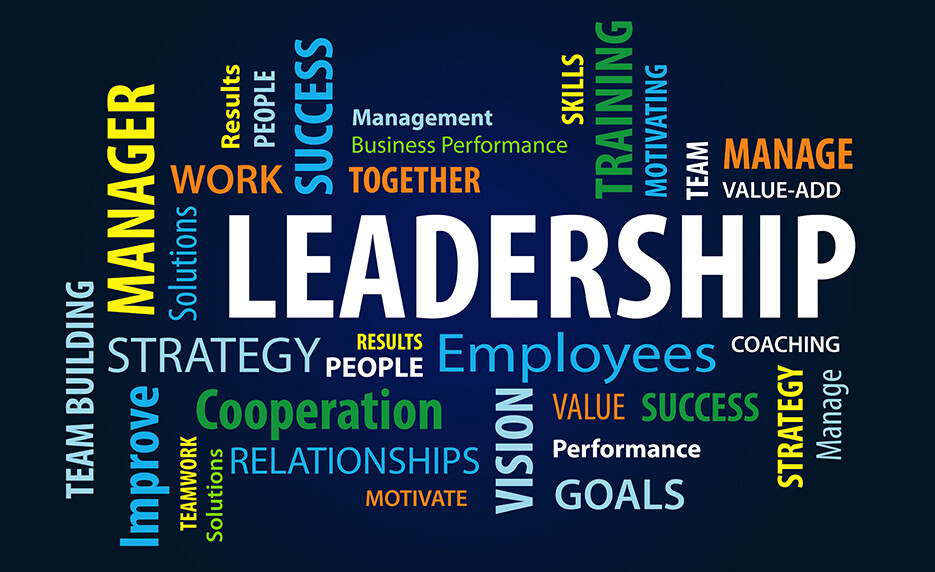
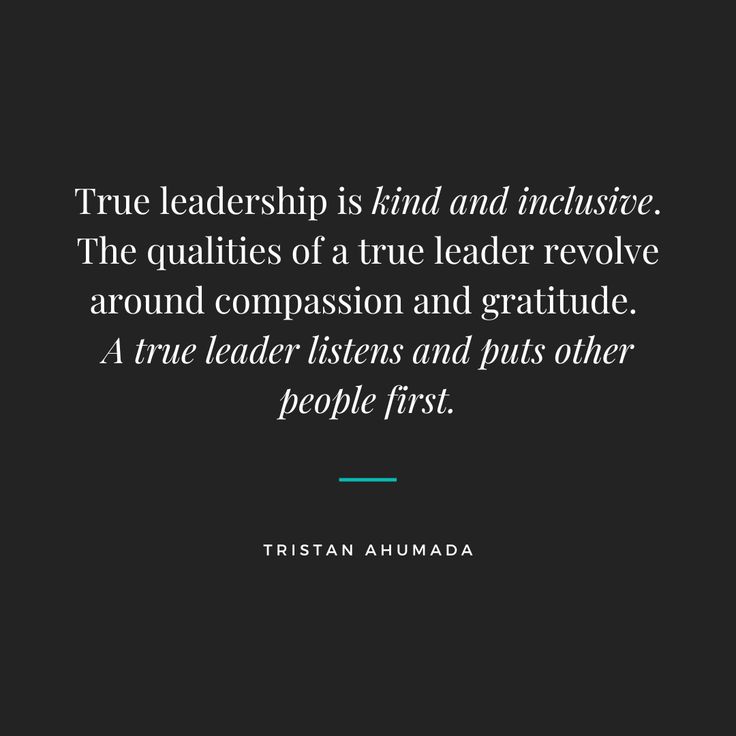
Leadership goes beyond holding a managerial position. It’s about inspiring and influencing others, regardless of your job title. A true leader:
- Communicates Effectively: Leaders articulate vision and goals clearly, fostering open communication within teams.
- Inspires Action: Great leaders motivate others, creating environments where people want to contribute and grow.
- Acts with Integrity: Leadership involves making ethical decisions and maintaining trust.
- Empowers Others: Instead of holding onto power, a great leader lifts others up, developing new leaders along the way.
Whether you’re leading a team, a project, or your own career journey, leadership skills are essential in any industry.
The Benefits of Career Success and Leadership
Achieving career success and cultivating leadership skills offer numerous benefits, both personally and professionally. Here are some key advantages:
- Increased Earning Potential: Career success often leads to promotions, salary increases, and better financial opportunities. Leadership positions, in particular, tend to come with higher compensation packages.
- Professional Recognition: Career success brings recognition from peers, supervisors, and even industry experts. Being viewed as a leader within your field can open doors to more exciting opportunities.
- Personal Satisfaction and Fulfillment: There’s a deep sense of fulfillment that comes with excelling in your career and leading others. The ability to make an impact on your team or company can provide a strong sense of purpose.
- Improved Relationships: Strong leadership skills—especially in communication and empathy—improve relationships with colleagues, clients, and mentors. This helps to build trust, resolve conflicts, and create a collaborative work environment.
- Enhanced Problem-Solving Abilities: Both career success and leadership require strong problem-solving skills. As you grow, you learn to navigate challenges more effectively, increasing your resilience and adaptability.
- Legacy and Influence: Great leaders leave a lasting impact. By developing leadership skills, you can influence your industry and guide the next generation of professionals.
Working Towards Career Success and Leadership
Achieving career success and becoming a leader is a continuous process that requires dedication, learning, and action. Here are several steps to help you work toward these goals:
1. Set Clear, Achievable Goals
Define what career success looks like for you. Are you aiming for a promotion, starting your own business, or developing a specific skill set? Break these long-term goals into smaller, actionable steps to stay on track and maintain focus. Use the SMART (Specific, Measurable, Achievable, Relevant, Time-bound) framework to ensure clarity.
2. Invest in Continuous Learning
Leadership requires staying relevant and adaptable in a rapidly changing world. Seek opportunities for growth through professional development courses, mentorship programs, and industry certifications. Reading books on leadership, attending workshops, or even pursuing higher education can significantly boost your capabilities.
3. Build Strong Relationships
Networking is crucial for career advancement and leadership development. Surround yourself with mentors, peers, and colleagues who inspire you. Attend industry events, join professional organizations, and use platforms like LinkedIn to broaden your network. Building strong relationships opens doors to new opportunities and increases your visibility in your field.
4. Develop Soft Skills
Hard skills, such as technical expertise, are important, but soft skills—like communication, emotional intelligence, and teamwork—are equally essential. Leaders are empathetic and skilled at navigating interpersonal dynamics. To build leadership skills, work on becoming a better listener, resolving conflicts diplomatically, and fostering a collaborative environment.
5. Seek Leadership Opportunities
Leadership is cultivated through practice. Look for opportunities to lead, even if you’re not in a formal leadership role. Volunteer to manage a project, mentor a colleague, or spearhead an initiative in your workplace. Taking the initiative will help you refine your leadership skills and build your confidence.
6. Embrace Feedback and Reflection
Great leaders are open to feedback. Regularly assess your strengths and weaknesses, and actively seek feedback from supervisors, peers, and subordinates. Use this input to improve your leadership skills and make adjustments where necessary. Self-reflection is equally important—regularly evaluate your progress and celebrate your successes, while also identifying areas for improvement.

Final Thoughts
Career success and leadership are deeply intertwined. As you work toward one, the other often follows naturally. By setting clear goals, investing in continuous learning, building relationships, and honing both hard and soft skills, you’ll be well on your way to achieving career success and becoming a strong leader.
Leadership is not about having a title; it’s about making a difference and leaving a positive legacy in your workplace and industry. With dedication and the right strategies, anyone can cultivate these valuable skills.
Top 3 Sources for More Information:
- “Leaders Eat Last” by Simon Sinek – A powerful exploration of how great leaders build trust and foster teamwork.
- Harvard Business Review – A leading publication that provides insights into career advancement and leadership development.
- “Drive” by Daniel H. Pink – A book that delves into the science of motivation, a key component of leadership and career success.
 Lifelong Learners Club
Leave a comment