
In today’s fast-paced world, where distractions are constant and stress levels are high, mindfulness and meditation have emerged as powerful tools to help us find balance, inner peace, and clarity. These practices, which have roots in ancient traditions, are now widely embraced across the globe for their profound impact on mental, emotional, and physical well-being. Let’s explore what mindfulness and meditation are, their benefits, and why they are good for both you and those around you.
What Are Mindfulness and Meditation?
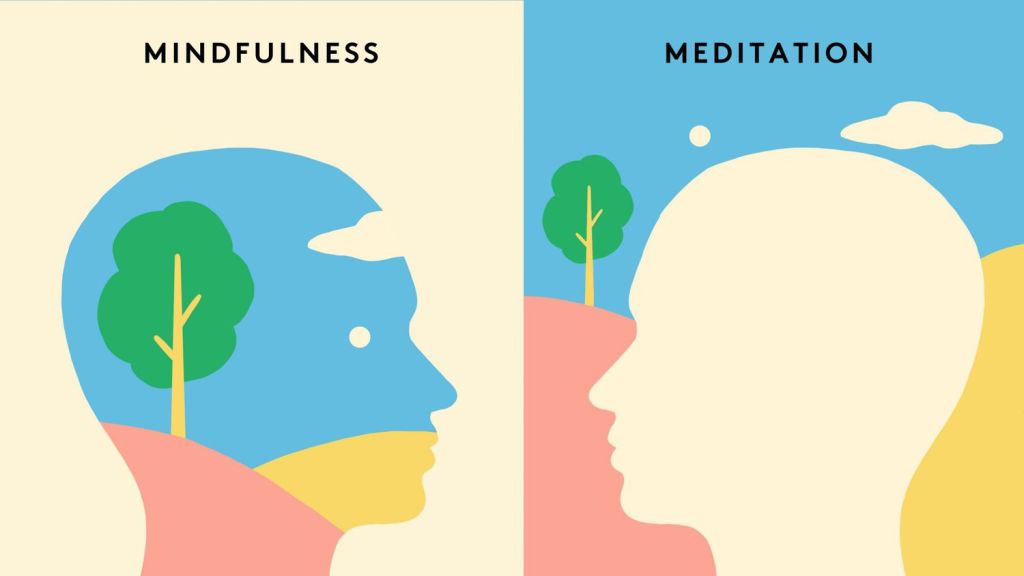
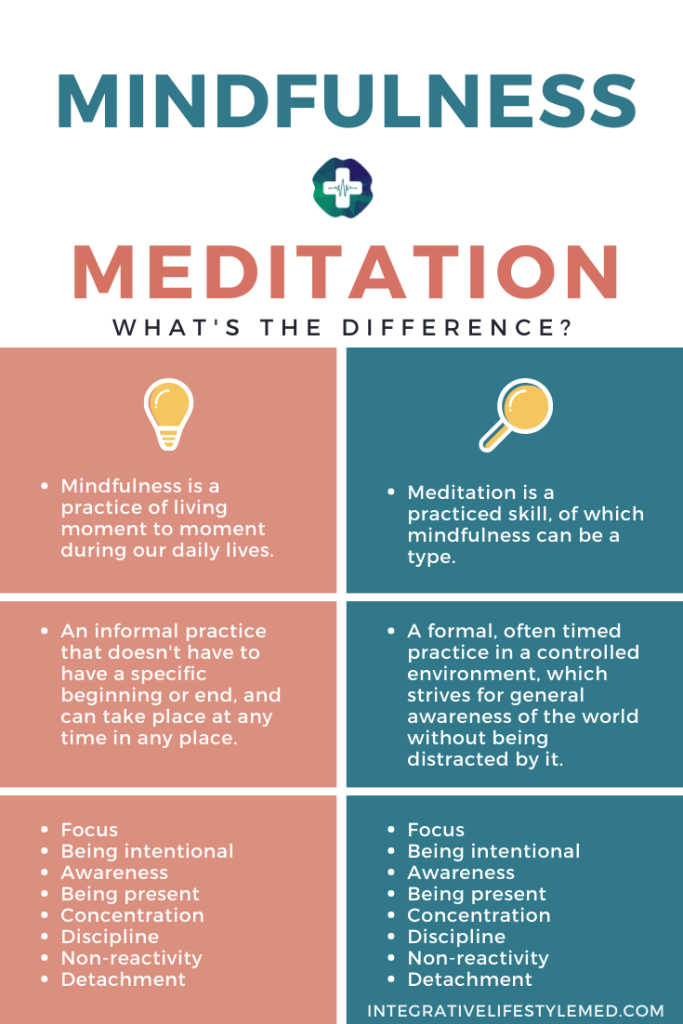
Mindfulness is the practice of being fully present and engaged in the moment, aware of your thoughts, feelings, and surroundings without judgment. It involves consciously paying attention to what you are doing, whether it’s eating, walking, or simply breathing. Mindfulness encourages a sense of acceptance and non-reactivity, allowing you to observe your experiences without being overwhelmed by them.
Meditation is a broader practice that encompasses various techniques to train the mind and achieve a state of relaxation, focus, and heightened awareness. It often involves sitting quietly, focusing on the breath, a mantra, or a specific object, and allowing thoughts to pass without attachment. While meditation can be a part of mindfulness practice, it also includes other forms such as loving-kindness meditation, guided visualization, and transcendental meditation.
The Benefits of Mindfulness and Meditation
- Reduces Stress and Anxiety One of the most well-documented benefits of mindfulness and meditation is their ability to reduce stress and anxiety. When practiced regularly, they help activate the body’s relaxation response, lowering levels of cortisol, the stress hormone. This leads to a calmer mind and a more relaxed body, allowing you to navigate daily challenges with greater ease.
- Improves Focus and Concentration Mindfulness and meditation sharpen your ability to focus and sustain attention. By training the brain to stay in the present moment, you become less distracted by external stimuli and wandering thoughts. This can enhance productivity, improve decision-making, and help you perform tasks more efficiently.
- Enhances Emotional Regulation Regular practice of mindfulness and meditation helps in recognizing and managing emotions more effectively. You become more aware of emotional triggers and can respond thoughtfully rather than react impulsively. This leads to improved emotional resilience and a more balanced outlook on life.
- Boosts Mental Clarity and Creativity Meditation practices like mindfulness can clear mental clutter and enhance cognitive functions such as memory and problem-solving. By calming the mind, you create space for new ideas and perspectives, fostering creativity and innovation.
- Promotes Physical Health Mindfulness and meditation are linked to numerous physical health benefits, such as lowering blood pressure, improving sleep quality, boosting the immune system, and reducing symptoms of chronic pain. They encourage a deeper connection between mind and body, leading to healthier lifestyle choices and overall well-being.
- Cultivates Compassion and Empathy Practices like loving-kindness meditation specifically aim to increase feelings of compassion and empathy towards oneself and others. By fostering an attitude of kindness and non-judgment, you improve your interpersonal relationships, create stronger connections, and develop a more profound understanding of others’ experiences.
- Encourages Mindful Communication Mindfulness practices teach you to listen actively, speak thoughtfully, and be fully present in conversations. This enhances communication skills, leading to fewer misunderstandings, reduced conflict, and stronger relationships with those around you.
Why Mindfulness and Meditation Are Good for You and Those Around You
Mindfulness and meditation not only benefit you but also positively impact those around you. When you cultivate a state of inner calm, focus, and emotional balance, you naturally become more patient, understanding, and compassionate. Your improved emotional regulation can create a ripple effect, enhancing the overall mood and harmony of your surroundings.
By practicing mindfulness, you become a better listener and more empathetic, which can strengthen your relationships, reduce conflict, and foster a more supportive environment. Moreover, as you develop a deeper connection with yourself, you encourage others to embark on their own journeys of self-discovery and personal growth.
Practical Tips to Get Started with Mindfulness and Meditation
- Start Small: Begin with just a few minutes of meditation daily and gradually increase the duration as you become more comfortable with the practice.
- Find a Quiet Space: Choose a calm environment where you can sit comfortably without distractions.
- Focus on the Breath: Pay attention to your breath as it flows in and out. If your mind wanders, gently bring it back to your breath.
- Use Guided Meditations: Apps and online resources can provide guided sessions to help you get started.
- Be Consistent: Like any habit, consistency is key. Set aside time each day to practice mindfulness and meditation, even if it’s just a few minutes.
- Practice Mindfulness Throughout the Day: Incorporate mindfulness into everyday activities like eating, walking, or listening to others.
Conclusion
Mindfulness and meditation offer a pathway to a healthier, happier, and more balanced life. By cultivating awareness, compassion, and emotional resilience, you not only enhance your own well-being but also positively influence the lives of those around you. Start your mindfulness journey today, and experience the transformative power of being fully present in every moment.
 Lifelong Learners Club
Leave a comment