
In today’s fast-paced world, mental health and wellness often take a backseat to our demanding schedules, responsibilities, and the constant pressure to keep up. However, prioritizing mental health is essential not just for personal well-being but also for fostering healthier relationships and communities. Understanding the benefits of mental wellness and recognizing its impact on ourselves and those around us can be transformative.
What is Mental Health and Wellness?
Mental health encompasses our emotional, psychological, and social well-being. It affects how we think, feel, and act, influencing our ability to handle stress, relate to others, and make decisions. Mental wellness, on the other hand, is about actively maintaining and improving this state of mental health. It involves practices that support a balanced life, such as self-care, stress management, and building resilience against life’s challenges.
The Benefits of Prioritizing Mental Health and Wellness
- Improved Emotional Resilience: Focusing on mental health equips you with the tools to manage stress and bounce back from adversity. Emotional resilience doesn’t mean being unaffected by challenges but rather having the strength and strategies to navigate them effectively. Techniques such as mindfulness, meditation, and cognitive behavioral practices can build this resilience, allowing you to face life’s hurdles with a calm and balanced approach.
- Enhanced Physical Health: Mental health is deeply intertwined with physical well-being. Chronic stress and anxiety can lead to physical symptoms such as headaches, insomnia, digestive issues, and weakened immunity. By prioritizing mental wellness, you not only improve your emotional state but also reduce the risk of physical health problems. Regular exercise, a balanced diet, and adequate sleep are all aspects of mental wellness that positively impact your physical health.
- Increased Productivity and Performance: Good mental health improves focus, decision-making, and problem-solving abilities, all of which are crucial for productivity in both personal and professional settings. When you are mentally well, you can set clear goals, maintain motivation, and overcome obstacles with a positive mindset. This not only boosts your performance but also enhances your overall satisfaction and fulfillment in your work and daily tasks.
- Better Relationships: Mental wellness enhances your ability to connect with others. It allows for more effective communication, empathy, and understanding in your relationships. When you are in a good mental state, you are more patient, attentive, and supportive, creating a positive ripple effect on those around you. This can strengthen bonds with family, friends, and colleagues, leading to healthier and more fulfilling interactions.
- Prevention of Mental Health Disorders: Proactively managing mental wellness can help prevent the onset of more severe mental health issues, such as depression, anxiety disorders, and burnout. Regular self-assessment, seeking help when needed, and maintaining a routine that supports mental health can act as preventive measures, reducing the likelihood of more serious conditions developing.
- Improved Self-Esteem and Confidence: When you prioritize mental health, you invest in self-awareness and self-care, which naturally boost self-esteem and confidence. This positive self-image encourages you to take on new challenges, step out of your comfort zone, and pursue goals that align with your true self. A strong sense of self-worth and confidence not only benefits you but also inspires those around you to pursue their own growth.
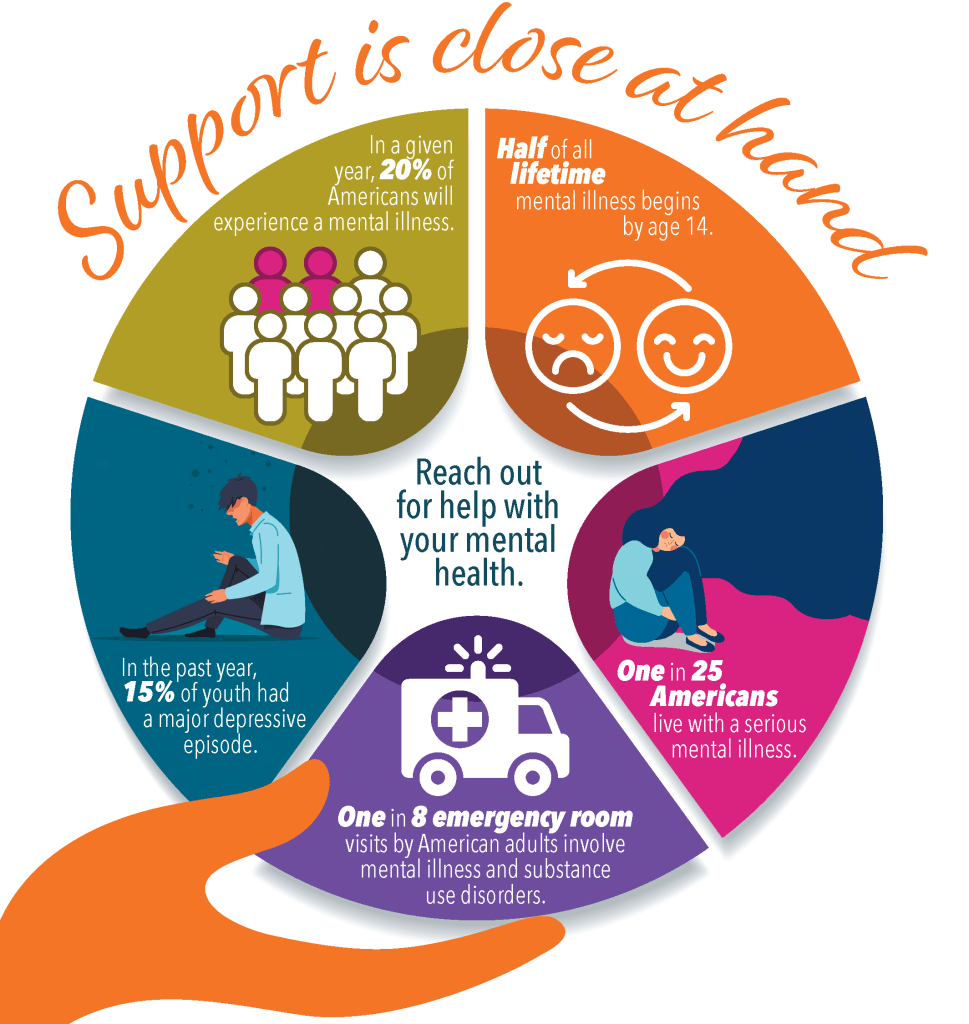
- Contribution to a Healthier Community: Your mental health doesn’t just affect you; it also impacts your community. When individuals prioritize wellness, they contribute to a more positive, supportive, and compassionate environment. A community where mental health is valued and openly discussed is one that thrives, as it encourages its members to seek help, support each other, and break the stigma surrounding mental health issues.
Why Mental Health and Wellness are Good for You and Those Around You
- Creating a Supportive Environment: By focusing on your mental wellness, you set an example for those around you. Your journey can inspire others to take steps towards their own mental health, creating a supportive network where everyone feels empowered to prioritize their well-being. This collective approach fosters a culture of understanding, compassion, and mutual respect.
- Breaking the Stigma: Discussing and normalizing mental health encourages openness and reduces the stigma that often surrounds mental health issues. By being vocal and proactive about your mental wellness, you help create an environment where others feel safe to express their struggles and seek the help they need without fear of judgment.
- Enhancing Collective Resilience: When individuals within a group prioritize mental wellness, it strengthens the group’s overall resilience. Whether in families, workplaces, or communities, a collective focus on mental health fosters a sense of unity and shared responsibility. This resilience can help groups better navigate crises, adapt to changes, and support each other through tough times.
- Building Healthier Generations: Emphasizing mental health sets a foundation for future generations. Children and young adults who grow up in environments that prioritize mental wellness are more likely to adopt these habits themselves. By modeling healthy mental health practices, you contribute to the well-being of the next generation, ensuring that they too understand the importance of taking care of their minds and emotions.
Practical Steps to Improve Mental Health and Wellness
- Develop a Routine: Establishing a daily routine that includes time for self-care, relaxation, and activities that bring joy can provide structure and stability, reducing stress and anxiety.
- Stay Connected: Maintaining relationships with friends, family, and community can provide a support system that helps buffer against life’s challenges.
- Practice Mindfulness and Meditation: These techniques can help you stay present, reduce stress, and improve overall emotional regulation.
- Exercise Regularly: Physical activity releases endorphins, which can improve mood and reduce symptoms of anxiety and depression.
- Seek Professional Help When Needed: Therapy, counseling, and other professional mental health services are valuable resources for navigating personal challenges and developing coping strategies.
- Educate Yourself and Others: Learning about mental health and wellness can empower you to make informed decisions about your well-being and advocate for the mental health needs of others.

Conclusion
Mental health and wellness are vital components of a fulfilling and balanced life. By taking steps to nurture your mental well-being, you not only enhance your own quality of life but also contribute to a healthier, more compassionate world. The benefits extend far beyond the individual, positively impacting relationships, communities, and future generations. Prioritizing mental health isn’t just good for you—it’s essential for creating a brighter, more resilient society for everyone.
 Lifelong Learners Club
Leave a comment